SUSTAINABILITY IN BEEKEEPING
More room
for life.
We’re converting over 20 acres into pollinator habitat, monitoring colony health and preparing our bees for Minnesota winters. Explore the work behind each commitment.
20+
acres being converted
on our property
Creating pollinator habitat.
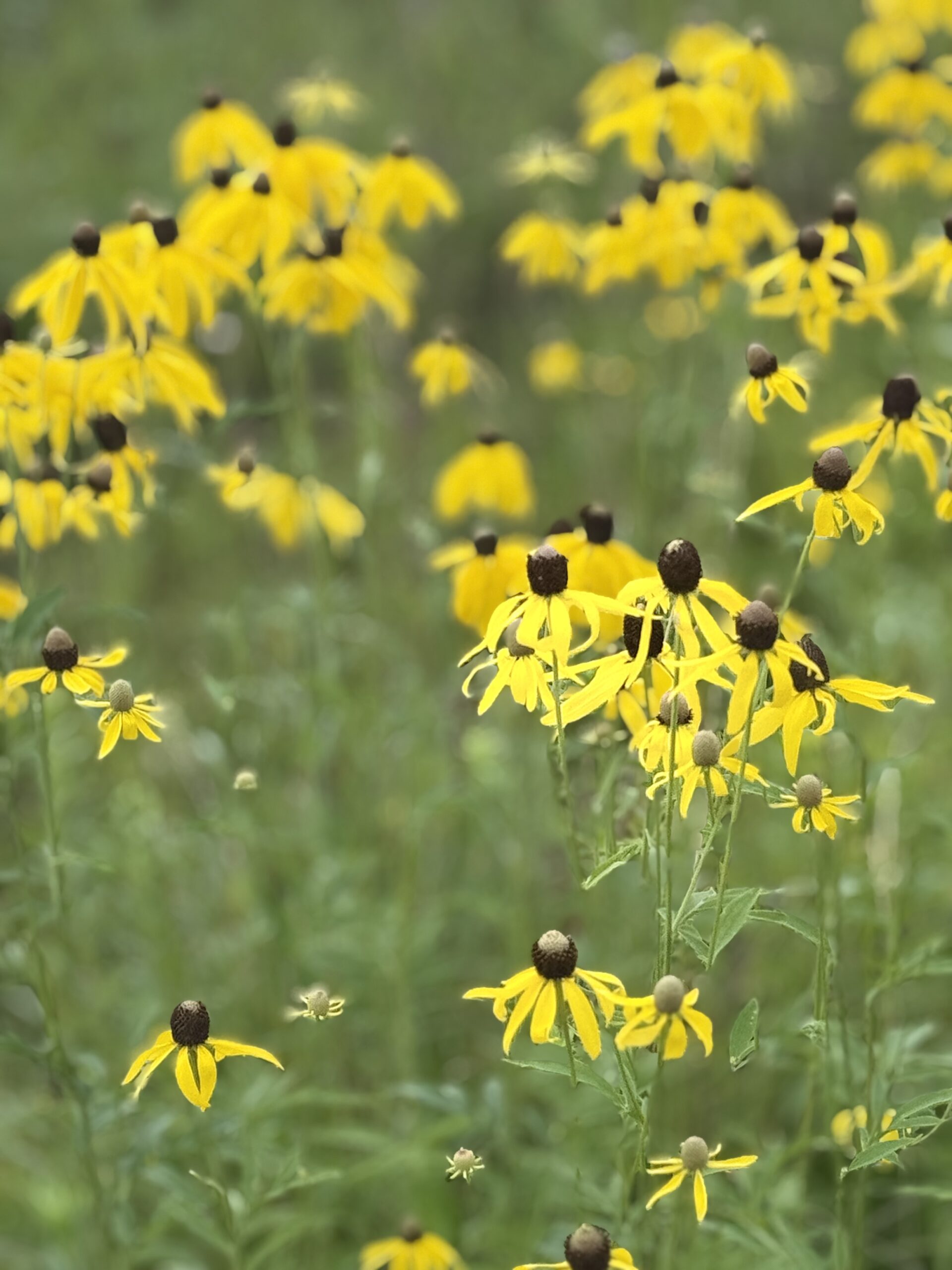
We’re converting over 20 acres of our property into bee and butterfly habitat. It’s a long-term investment in the place we call home.
Our goal is flowers that provide nectar and pollen across the growing season. Establishing that habitat takes preparation, planting and ongoing weed management—not just scattering seed.
A meadow begins long before the first bloom.
Our plan starts with about a year of ground preparation, giving the new planting a better start. Then comes planting—and the patient work of helping it establish.
After planting, the focus shifts to maintenance: watching what takes root, managing weeds and making room for the flowers we want to thrive. As the habitat matures, prescribed burning may become part of its care where appropriate. This is ongoing stewardship, not a one-time planting.
THE WORK BEHIND THE FLOWERS
A planting with purpose.
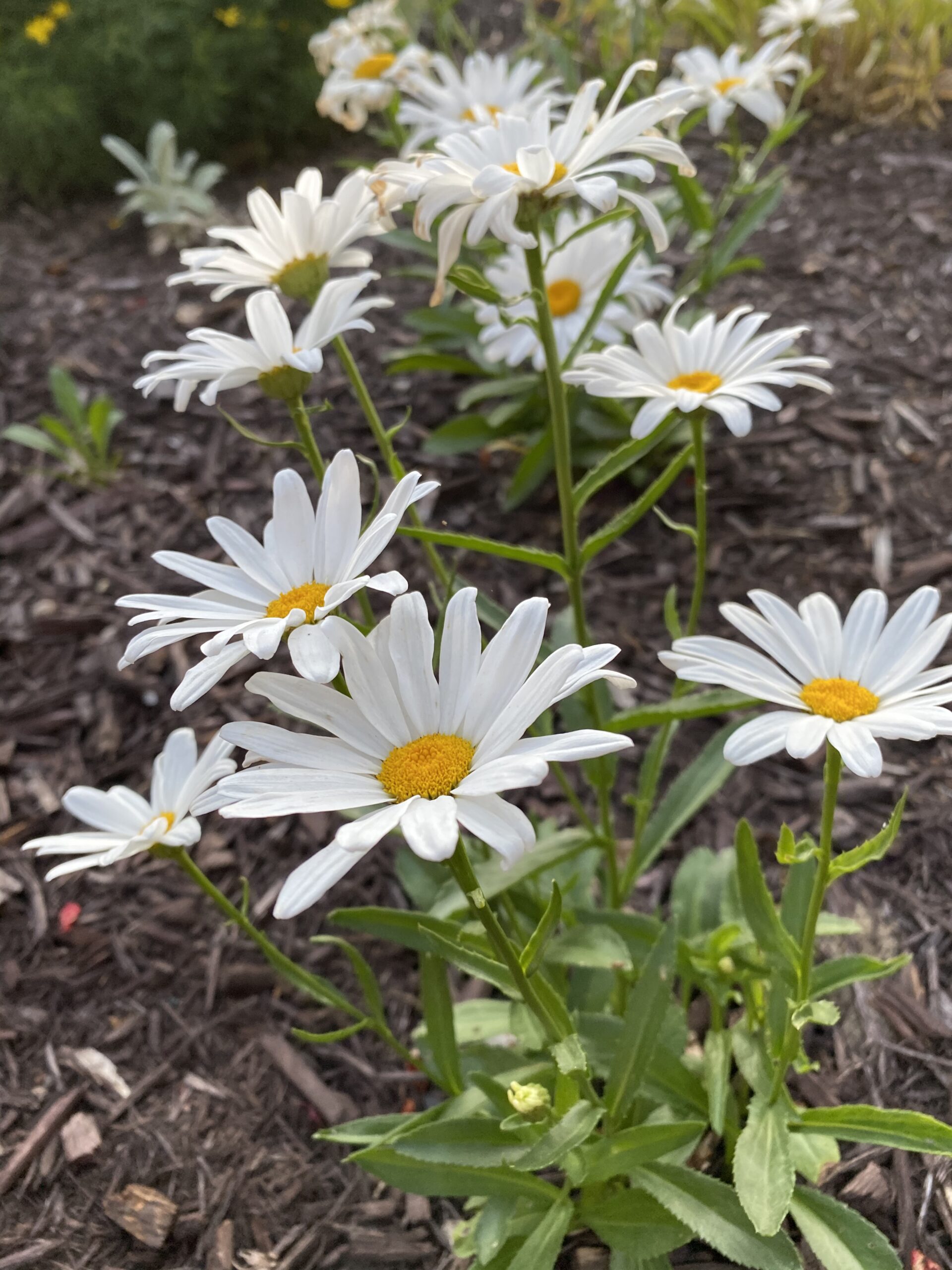
We work with The Bee and Butterfly Habitat Fund to support biological diversity and establish pollinator habitat. Its Seed A Legacy program provides specially designed seed mixes, guidance and long-term support.
The Bee and Butterfly Habitat Fund reports these comparisons with typical conservation plantings:
8×
more native bees
6×
more honey bees
2×
more flowers per acre
INTEGRATED PEST MANAGEMENT
Healthy hives take a cycle of care.
We monitor mite levels, use organic methods for mite management and follow the label directions for the regulated treatments we use. Integrated pest management means making decisions based on the colony, the season and what monitoring tells us.
Learn more: University of Minnesota Bee Lab · EPA treatment information.
UNDERSTANDING VARROA
What is Varroa?
Beekeeping in the United States has changed dramatically since Varroa arrived in 1987. This invasive mite, originally from Asia, has become one of the most serious threats to honey bee colonies. In recent decades, monitoring and managing mites has become a central part of keeping colonies healthy.
Background: USDA National Invasive Species Information Center and University of Minnesota Bee Lab.
Varroa destructor is a tiny external parasitic mite that feeds on developing and adult honey bees and spreads bee viruses. Uncontrolled infestations can weaken colonies and contribute to colony death, especially as bees head into winter.
An adult female mite is about 1.1 mm long and 1.5 mm wide. Small to us—but substantial beside a bee.
Imagine a mite roughly 7 inches across on a person. That is the size relationship shown here: a 1.5 mm-wide mite beside a 15 mm bee, scaled to a person about 71 inches tall. The outlines show proportions, not actual screen size.
Sources: USDA ARS — mite dimensions; University of Missouri Extension — worker bee size; University of Minnesota Bee Lab — mite impacts and management.
MINNESOTA, THROUGH EVERY SEASON
Our bees spend winter in Minnesota.
Our bees stay in Minnesota through the coldest months. For our family, hauling colonies south each winter is neither practical nor a sustainable fit for the way we keep bees. We put that effort into caring for them here.
Saskatraz bees.
A northern beginning.
We use Saskatraz bees, from a breeding program developed in Saskatchewan, Canada, with wintering ability among its selection goals. Those genetics are one part of our approach; food stores, colony health and attentive care still matter.
OPEN A PART OF OUR WINTER APPROACH
01Stay close to home
Transporting our hives south would add travel, fuel and logistics that do not make sense for our operation. Keeping them here lets us focus our resources on the colonies and the land around them.
02Prepare before the cold
Winter care begins before winter arrives. We pay attention to food stores, colony strength and mite levels after harvest so those needs can guide our preparations.
03Care through the seasons
The work does not stop when the flowers fade. We continue watching colony conditions through the colder months and into spring, adjusting our care to what the bees need.
Habitat photography: The Bee and Butterfly Habitat Fund · Example plantings. © respective image owner.